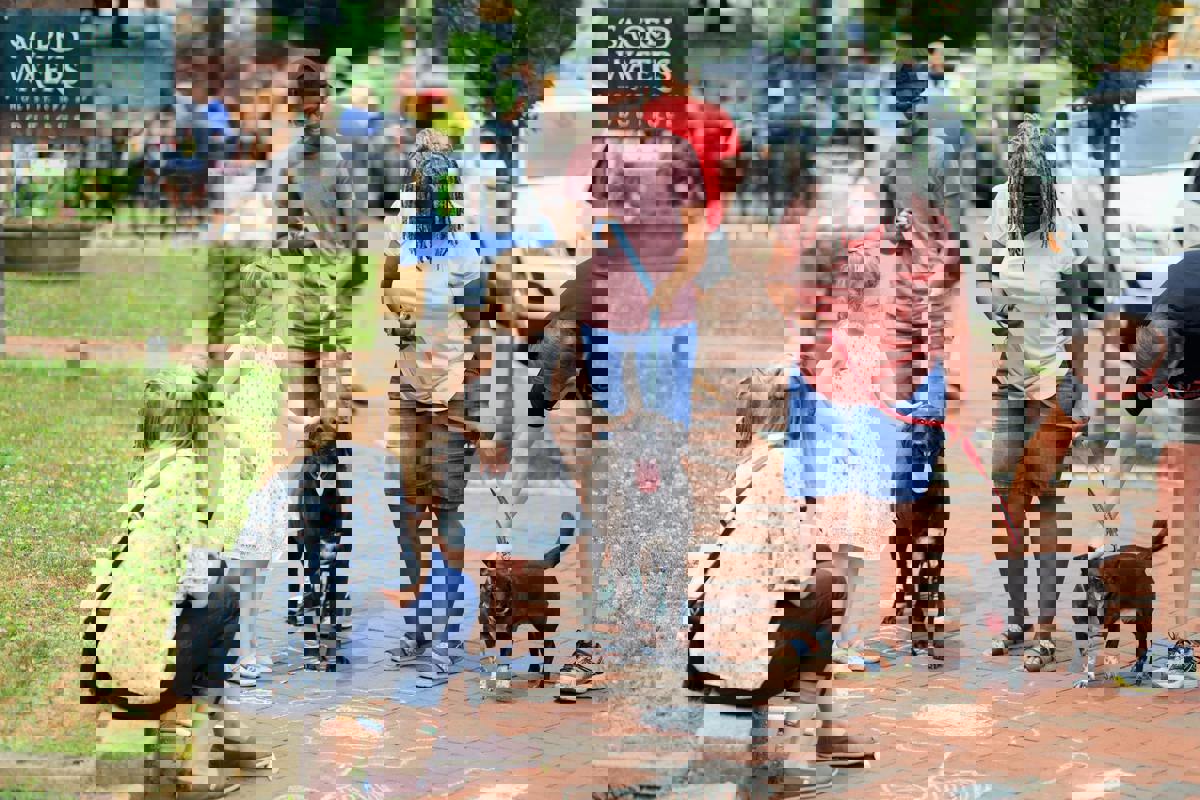
In the heart of Canada’s bustling urban centres, an increasing number of families are grappling with the unique realities of parenting amidst a patchwork of cultures. Marisa Tran, a mother of two, knows firsthand the intricacies and rewards of raising children in a city celebrated for its diversity. She describes her daily routine as an ongoing dance between cultural heritage and adaptation, balancing competing priorities from her own background with the broader Canadian context.
For Marisa and her spouse, who immigrated from Vietnam over a decade ago, honoring family traditions while helping their children integrate into Canadian society presents both joy and difficulty. “We want our kids to understand Vietnamese customs, language, and values,” Marisa explained. “At the same time, we want them to feel fully part of the community they live in.” This duality often leads to creative solutions and frank family discussions.
Multicultural urban environments offer children unique advantages, such as exposure to a variety of worldviews, languages, and celebrations. Marisa’s eldest son eagerly shares stories about different holiday celebrations he learns about at school. “He’ll come home and tell us about Diwali, Hanukkah, and Lunar New Year with equal excitement,” she said. This exposure, experts suggest, fosters empathy, adaptability, and open-mindedness among youngsters.
However, raising children in a multicultural city is not without its hurdles. Social integration can sometimes be challenging, particularly when children feel pressure to conform or when cultural misunderstandings arise. Marisa recalls moments when her children grappled with explaining their homemade lunches to peers or felt left out during traditional Canadian events. “I always encourage them to be proud of who they are, but it’s not always easy,” she admitted.
Research reflects the complex experiences of multicultural families. According to Statistics Canada, nearly 26% of children under 14 have at least one parent born outside the country. This growing demographic highlights the need for more tailored support from educators and community leaders. Schools and organizations are increasingly providing programs that celebrate diversity and help families from various backgrounds feel more at home.
Support networks have proven invaluable to Marisa’s family. Local community centres offer language classes for children, while parents find companionship in multicultural parenting groups. “Having other moms and dads who understand our experiences makes a huge difference,” Marisa said. These networks not only reinforce cultural identity but also help families navigate challenges like language barriers and unfamiliar social customs.
Despite the multifaceted challenges, Marisa finds deep rewards in raising children who are culturally fluent. She observes her children comfortably switching languages at home, extending invitations to friends from diverse backgrounds, and appreciating differences. “I see them growing into individuals who see the world with open eyes and open hearts,” she reflected. This gives her hope in a society that is ever-evolving.
As cities become increasingly cosmopolitan, families like Marisa’s illustrate both the possibilities and the complexities of multicultural parenting. Their journey demonstrates that while adaptation requires effort and compromise, it also delivers priceless opportunities for connection, understanding, and growth. Ultimately, parents navigating these paths believe the journey not only shapes their children but enriches the fabric of the community as a whole.