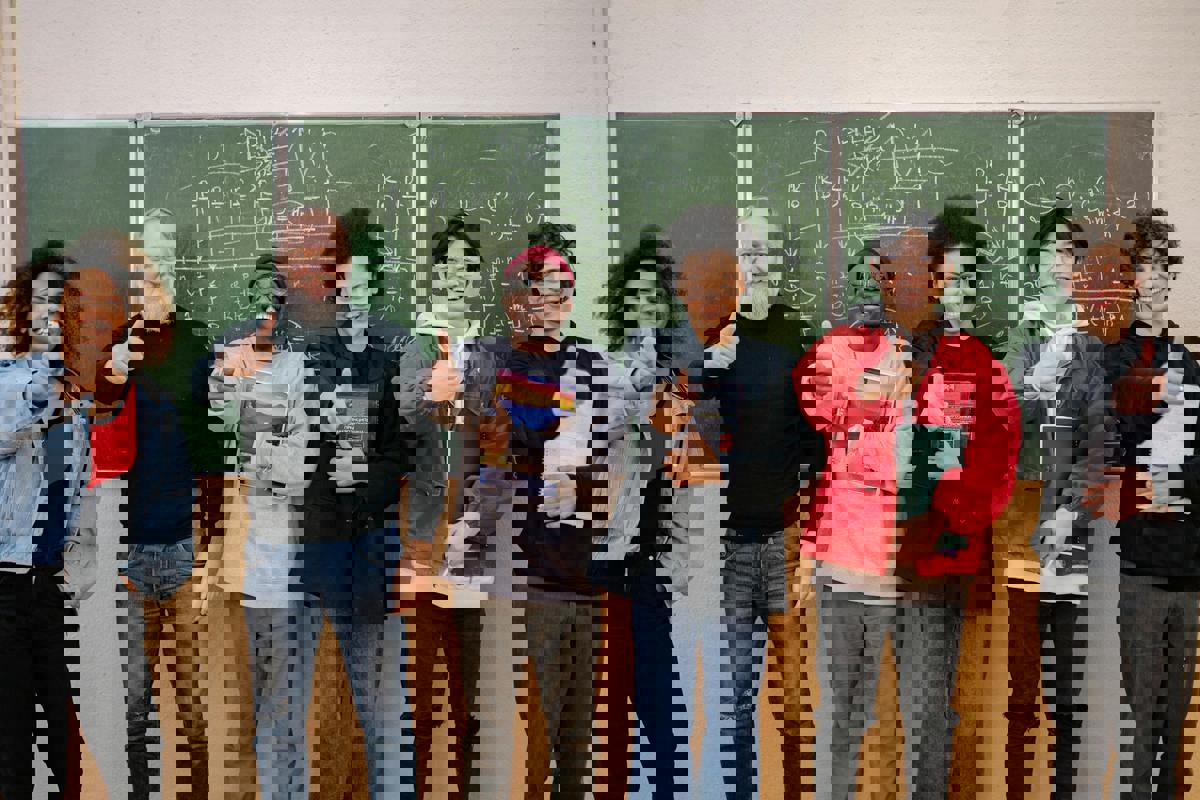
In today’s fast-evolving educational landscape, fostering resilience among students has become a key priority for teachers striving to prepare young people for life’s inevitable challenges. Educators across Canada have observed the growing pressures that students face, ranging from academic demands to social and emotional struggles. These challenges highlight the essential role teachers play not only in delivering curriculum but also in equipping students with the skills needed to adapt and thrive in the face of adversity.
Ms. Laura Haney, a veteran middle school teacher with over fifteen years of classroom experience, reflects on the transformation she’s witnessed firsthand. "Resilience isn’t just about bouncing back from setbacks – it’s about building confidence and a sense of control over one’s learning journey," Haney shares. She describes how many students arrive at school dealing with complex situations at home or within their peer groups, often carrying invisible burdens that can hinder academic performance if not addressed properly.
To tackle these obstacles, Haney emphasizes cultivating a supportive classroom environment where students feel safe taking risks and expressing themselves. Research supports this approach: According to a 2022 Canadian Teachers’ Federation report, students are more likely to recover from setbacks when they feel connected to compassionate adults. Implementing strategies such as open dialogue, regular check-ins, and peer mentoring programs has proven essential in nurturing this support system within the school setting.
Equipping students with practical coping mechanisms is another pillar of building resilience. Haney recounts integrating mindfulness exercises, problem-solving workshops, and reflective journaling into her weekly lesson plans. "We openly discuss stress management techniques and emotional regulation," she says. "The goal is to provide students with a toolkit they can draw upon long after they leave the classroom, empowering them to handle challenges both in and out of school."
Recent statistics from the Public Health Agency of Canada indicate that nearly one in five youths report high levels of stress related to schoolwork, friendships, and family issues. This data underscores the need for schools to deliver more than just academic content. Teachers like Haney are responding by advocating for social-emotional learning (SEL) programs, which focus on empathy, resilience, and decision-making skills through targeted activities and discussions.
Of course, parent and community involvement plays a critical role in student development. Haney highlights the importance of open communication between educators and families, noting, "When parents, teachers, and community mentors work together, students experience a more cohesive support network." She encourages families to stay engaged with their children’s school life by attending events, joining parent councils, and having regular conversations about emotional wellbeing and coping with setbacks.
Challenges persist, including limited resources and constraints on teachers’ time. Yet Haney remains optimistic, citing innovative school-wide initiatives such as wellness clubs and restorative justice circles. "These programs create space for students to share experiences, learn conflict resolution, and build resilience collectively," she explains. The collaborative spirit fostered by these initiatives not only benefits individual students but also strengthens the school community as a whole.
Looking ahead, Haney believes resilience must remain at the heart of educational practice. "We can’t predict every challenge our students will face, but we can equip them with the confidence to meet adversity head-on," she asserts. She hopes continued investment in mental health, SEL curricula, and collaborative partnerships will support the next generation of learners in growing into adaptable, resourceful adults capable of thriving in any circumstance.