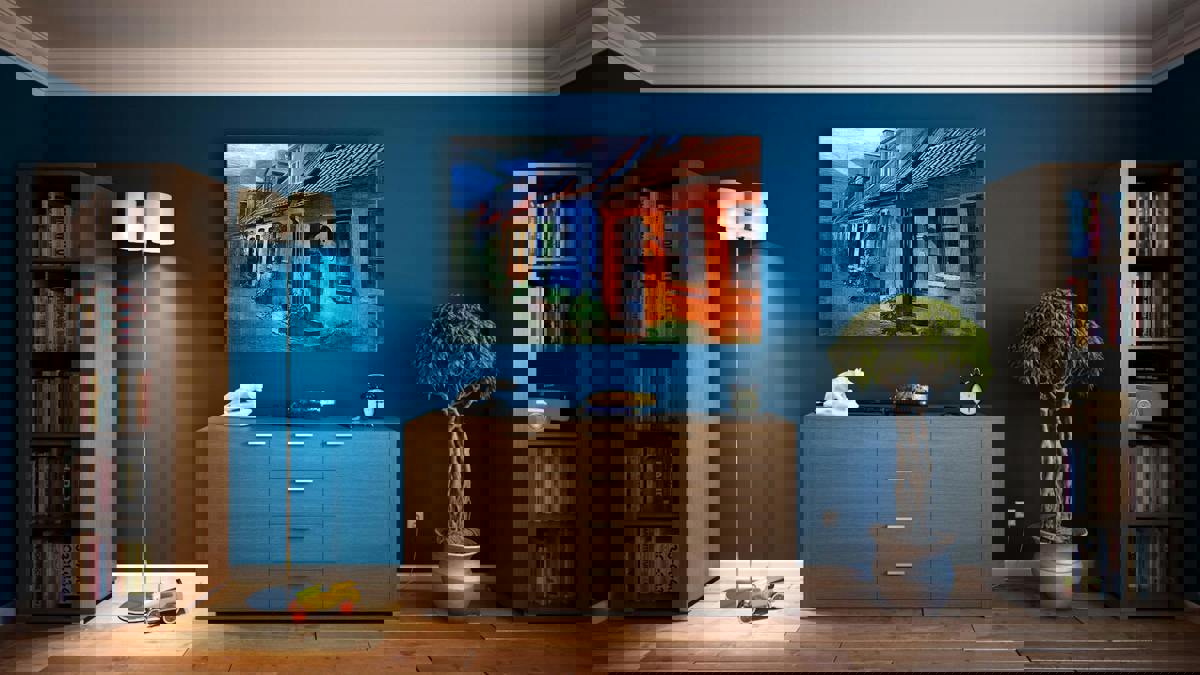
With the ongoing evolution of lifestyles and increased emphasis on well-being, Canadians are placing greater importance on home organization. Many people are discovering that a clutter-free environment contributes to mental clarity and productivity. The trend toward maximal efficiency in living spaces is gaining traction, as homeowners and renters seek strategies to streamline belongings, minimize visual distractions, and create inviting areas for both relaxation and purposeful activity.
One pivotal factor driving the shift toward home organization is the rise of remote work and flexible schedules. More individuals are spending extended periods at home, compelling them to rethink spatial layout and functionality. According to a 2023 survey by the Home Organization Institute of Canada, 68 percent of respondents reported a desire to make their homes more efficient following the pandemic. This has spurred inventive solutions for even the most compact spaces.
Professional organizer Olivia Moore notes, “People are realizing the value of organized living, not just for aesthetics, but for reducing daily stress.” Experts recommend beginning with simple categorization: grouping items by function, frequency of use, and sentimental value. This approach helps prioritize what truly belongs in each room and what is better donated, recycled, or stored elsewhere, making decluttering less overwhelming for newcomers to the process.
The kitchen, often considered the heart of the home, greatly benefits from targeted organization techniques. Magnetic spice racks, pull-out pantry drawers, and over-the-door organizers are just a few innovations modern households are adopting. Julie Tran, founder of Neat & Tidy Spaces, highlights, “Small changes—like using clear bins or labels—save time and reduce food waste by preventing duplicate purchases.” This practical advice appeals to busy families and individuals alike.
Beyond kitchens, closet organization is an area where Canadians commonly seek improvement. Open shelving, adjustable rods, and stackable bins help maximize vertical space. “The key is adaptability,” advises storage consultant Richard Petrov. “As needs change seasonally, modular systems allow people to adjust layouts quickly.” Affordable solutions are widely available through major Canadian retailers, making organized wardrobes more accessible than ever before.
Innovative storage solutions also extend to multifunctional furniture. Ottomans with hidden compartments, beds with built-in drawers, and wall-mounted desks exemplify a growing trend toward dual-purpose furnishings. These products cater to smaller homes and urban apartments, where floor space comes at a premium. As Canadian housing markets shift toward densification, such efficiency-focused designs have become invaluable, especially among young professionals and downsizing retirees.
Technology is also making its mark on home organization. Smart storage systems—like app-labeled inventory bins or automated closet lighting—are increasingly popular. A 2024 report by Market Intelligence Canada revealed that 45 percent of new homeowners are interested in integrating smart tech to manage household items. For many, the ability to digitally track possessions adds a new layer of convenience, ensuring that nothing goes overlooked or misplaced.
Environmental consciousness is another significant influence on current organization habits. Canadians are embracing sustainable practices when decluttering, such as donating gently used goods, recycling materials responsibly, and choosing storage containers made from recycled or biodegradable materials. Eco-friendly brands are gaining popularity, reflecting a broader shift toward mindful consumption and waste reduction across North America.
Families with children face unique organizational challenges, especially regarding toys, school supplies, and outdoor gear. Experts suggest a combination of accessible, labeled bins, and regular rotation of toys to minimize clutter. Parenting coach Simran Singh advises, “Involving children in organizing not only teaches valuable life skills but also empowers them to maintain order in their own spaces.” This approach fosters independence and cooperation within the household.
Home organization is not merely a matter of tidiness; it impacts overall well-being. A 2022 Canadian Psychological Association study found that organized environments are linked to reduced anxiety and better sleep quality. By implementing creative strategies—whether repurposing existing items or investing in new storage solutions—Canadians are finding that an orderly home translates to calmer, more enjoyable living.
Experts agree that the best organizational systems are tailored to individual lifestyles. For some, minimalism creates serenity; for others, orderly collections spark joy. Ultimately, the journey to a well-organized home involves equal parts strategy, creativity, and patience. As new products and ideas continue to emerge, Canadians are empowered to reimagine their living spaces, achieving maximum efficiency and renewed harmony at home.