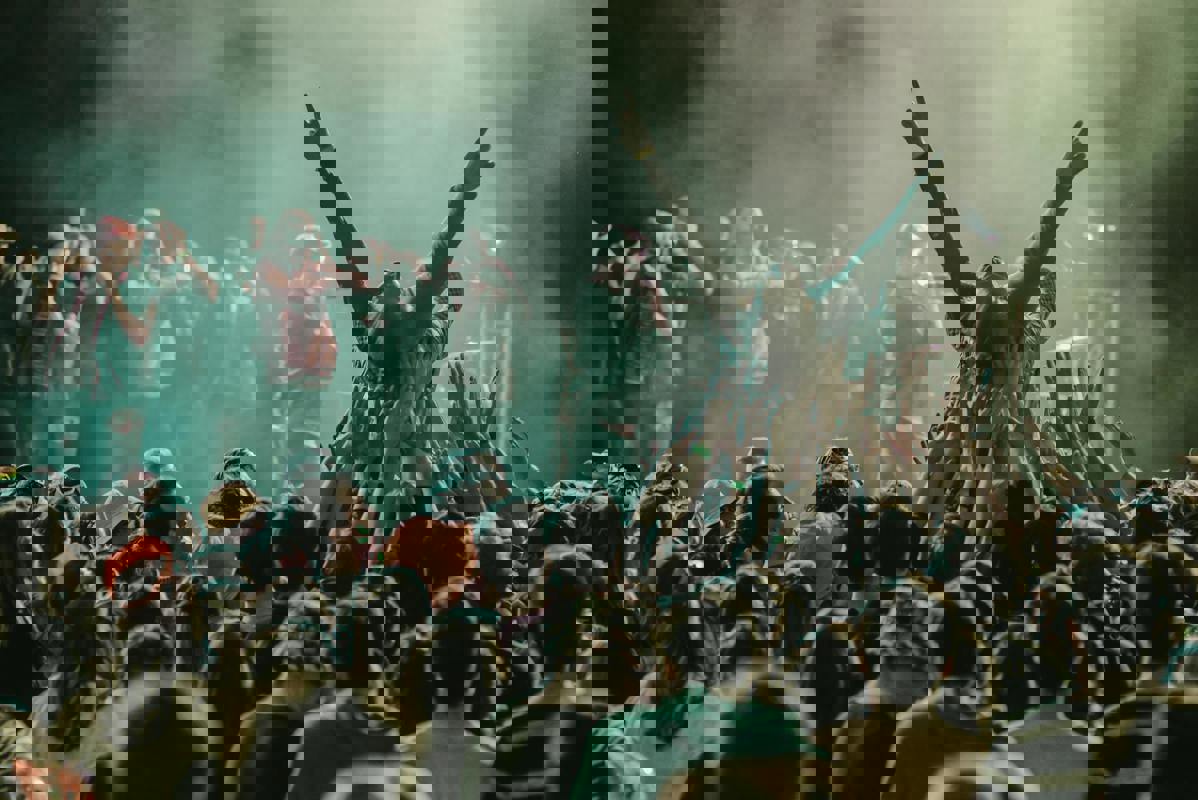
The Indigenous Storytelling Festival has become a vibrant showcase for First Nations, Inuit, and Métis voices, drawing together a dynamic tapestry of storytellers from across Canada. This annual event, gathering both local and national participants, serves as an important bridge between generations and communities. Through a combination of oral histories, music, and performance, the festival aims to celebrate Indigenous cultural traditions while highlighting ongoing evolution within these communities.
Storytelling holds a sacred place in Indigenous cultures, functioning as both a means of entertainment and an essential tool for education. "At the heart of our culture is the ability to pass down knowledge through stories," says Cree elder Marilyn Buffalo. By emphasizing oral tradition, the festival ensures that ancestral voices are not only preserved but brought into contemporary contexts where younger audiences can connect with their heritage.
This year’s lineup featured a diverse group of artists, including renowned Inuit throat singers, Dene drummers, and contemporary Indigenous poets. Attendees were treated to intimate performances where traditional tales were shared alongside modern stories addressing themes such as urban Indigenous identity, climate activism, and cultural reclamation. The range of performances reinforced the deeply rooted adaptability and creativity that characterizes Indigenous storytelling in Canada.
Beyond the performances, the festival hosted a series of interactive workshops and panels. These sessions explored evolving methods of storytelling, like digital media, spoken word, and visual arts. Participants learned about the technical skills required for podcasting and filmmaking from creators such as Métis storyteller Chelsea Vowel. The presence of these educational opportunities highlighted the festival’s commitment to equipping Indigenous youth with tools for cultural expression in the 21st century.
Audience engagement extended beyond passive attendance; many visitors took part in song circles and dance workshops led by elders and artists. Such immersive experiences allowed non-Indigenous attendees to appreciate the nuanced protocols and values embedded in traditional practices. In the words of festival organizer Jeremy Whitehorse, “It’s about building relationships and creating mutual understanding through shared experience.” This approach underlined the festival’s inclusive nature while honouring protocols of respect.
The festival also addressed pressing contemporary issues faced by Indigenous communities. Several storytellers wove narratives that tackled the lasting impacts of residential schools, land dispossession, and language loss, offering both personal testimony and collective healing. According to Anishinaabe writer Dorothy Perreault, “Storytelling is a path toward reconciliation, because it teaches empathy and understanding.” The event thus positioned itself as a healing space, contributing to broader national conversations.
Visual art exhibitions complemented the spoken performances, with gallery spaces featuring works by Indigenous painters, beadworkers, and carvers. Themes ranged from expressions of sovereignty and urban experience to environmental stewardship. These displays provided a visual dimension to the stories shared on stage, affirming the interconnectedness of all forms of Indigenous artistic expression and their vital role in asserting cultural presence.
In addition to celebrating tradition, the festival spotlighted the innovative ways in which young Indigenous creators are shaping the future of storytelling. Digital storytelling projects, including animated shorts and interactive websites, were unveiled for audiences eager to see how technology can amplify cultural messages. These initiatives not only broaden access for remote or urban Indigenous youth but also foster cross-cultural exchange with the wider Canadian public.
As the festival wrapped up, organizers reflected on its growing impact and reach. Attendance numbers increased by 30% compared to the previous year, suggesting a rising interest in Indigenous voices and cultural dialogue. Plans are already underway for the next edition, with hopes of further expanding international partnerships. Ultimately, the Indigenous Storytelling Festival stands as a testament to the resilience, creativity, and vitality of Indigenous cultures throughout Canada.