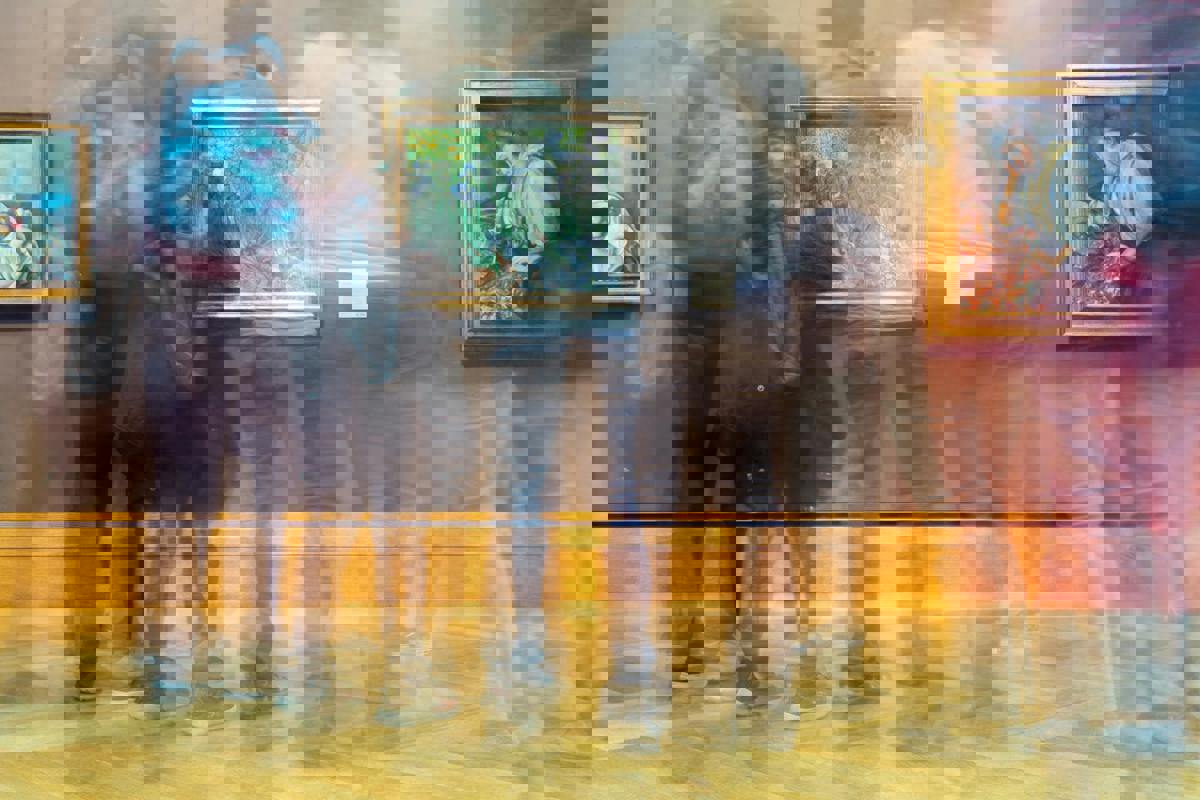
A striking new art exhibit has recently opened, inviting audiences to reconsider the boundaries of personal and cultural identity. Featuring a diverse group of artists, the show explores the theme of modern identity through a captivating range of mixed media pieces. The innovative works on display utilize everything from found objects to digital projections, challenging traditional concepts of art as well as assumptions about the self and society.
The exhibit highlights the works of both emerging and established artists, each bringing unique perspectives and styles to the theme. Many participants hail from different cultural backgrounds, intentionally blending their heritage with contemporary techniques. Curator Alexis Duval notes, “The show is a conversation between materials, histories, and individual experiences. It’s designed to reflect the complexity of identity today, particularly in a multicultural and interconnected world.”
Among the most talked-about pieces is a large-scale mosaic constructed from everyday household items, assembled to depict fragmented facial features. The artist behind this installation, Marisol Chen, says her intention was to express how daily routines and cultural artifacts shape our sense of self. “The objects we surround ourselves with become part of our identity,” Chen explains, “and bringing them together in art lets us see ourselves in a new light.”
Digital media also plays a significant role throughout the exhibit. One immersive installation uses motion sensors to alter projected images as visitors move through the space, effectively making each person a part of the evolving artwork. This interactive approach blurs the line between creator and observer, emphasizing the fluid and participatory nature of identity. Visitors are encouraged to reflect on how their presence influences the space and, by extension, the cultural landscape.
Several works directly address the complexities of belonging and exclusion. Textile artist Amir Qureshi’s intricate woven panels incorporate materials sourced from his childhood home and from recent travels. By merging fabrics from different regions and eras, Qureshi aims to illustrate the layered nature of identity formation. “Identity isn’t static,” he asserts. “It’s an ongoing process influenced by constant movement, change, and exchange.”
The exhibit does not shy away from difficult themes, including alienation and marginalization. One mixed media sculpture includes audio recordings of anonymous voices recounting experiences of cultural displacement. The juxtaposition of personal narratives with physical materials creates a powerful sense of intimacy and universality. As one visitor observed, “The exhibit makes it clear that questions of identity touch everyone, regardless of background.”
Academic voices have weighed in on the exhibit’s significance as well. Dr. Lila Kapoor, a professor of art history, argues that the use of unconventional materials is particularly effective in provoking thought about contemporary identity. “When artists break away from traditional media, they challenge us to rethink the very foundations of representation,” Kapoor says. “It prompts us to consider how new forms can foster deeper engagement with critical issues.”
Community feedback so far has been overwhelmingly positive, with many appreciating the exhibit’s bold creativity and relevance. Local arts organizations have lauded the gallery for providing a platform where underrepresented narratives can be shared. Youth groups, in particular, have shown interest, finding resonance with the show’s exploration of hybrid and multifaceted identities. The gallery has responded by hosting workshops and panel discussions to further engage young audiences.
The exhibit also makes extensive use of technology to broaden its impact. An online component features high-resolution images of the artworks, artist interviews, and virtual tours, making the experience accessible to those unable to attend in person. Social media campaigns encourage viewers to share their own stories of identity, creating a wider dialogue that extends far beyond the gallery walls.
Sustainability and social responsibility are also prominent in the exhibit’s concept. Many artists have intentionally chosen reclaimed or recycled materials, raising questions about consumption, waste, and collective responsibility. As sculptor Janelle Hammond remarks, “Our materials say as much about our values as the images we create. By working sustainably, we make a statement about the future we want to see.”
Financial support for the exhibit has come from a mix of public and private sources, reflecting a growing recognition of the arts’ role in fostering social cohesion. Government grants, local businesses, and cultural foundations have all contributed, ensuring broad access and keeping admission fees low. Organizers view this support as an endorsement of the arts as a vital platform for dialogue about identity in contemporary Canadian society.
Ultimately, the exhibit stands out not just for its daring use of mixed media, but for its ability to spark important conversations. By bringing together artists, audiences, and communities, the show creates a space where the fluidity of identity can be explored openly. As the curator puts it, “Art has the power to help us understand ourselves and each other in ways that transcend language. This exhibit is a testament to that potential.”